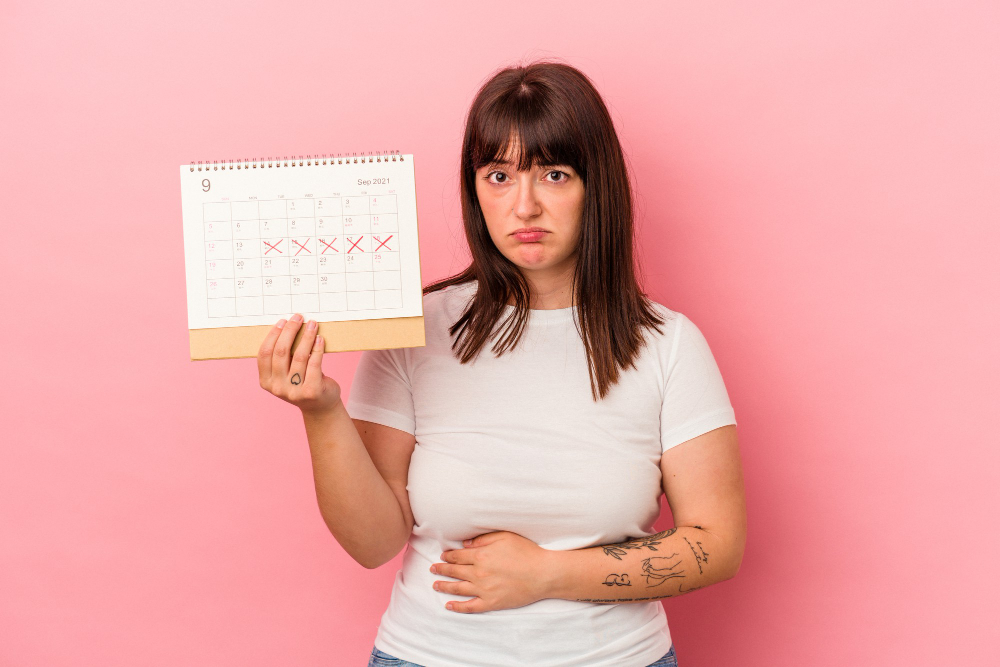
Premenstrual Syndrome (PMS) is a group of symptoms that many women feel before their period starts. These symptoms can be physical, emotional, or both. PMS symptoms often appear one to two weeks before menstruation. For some, these symptoms are mild. However, others may find them hard to manage. Understanding PMS, its causes, and how to manage PMS can help you feel better each month.
What is Premenstrual Syndrome (PMS)?
PMS is a set of changes that happen in the days leading up to a woman’s period. These changes can affect your body, mood, and daily life. According to the Centers for Disease Control and Prevention (CDC), over 90% of women report at least one PMS symptom during their reproductive years. While PMS is common, the severity and type of symptoms can vary from person to person. Some women may only notice mild discomfort, while others may need help to manage PMS symptoms.
Common Symptoms of PMS
PMS symptoms can be different for everyone. Still, some symptoms are more common than others. You may notice these signs each month before your period:
Sometimes, these symptoms can affect your daily life. If you notice that PMS symptoms are making it hard to work, study, or enjoy activities, it may be time to seek help.
Causes and Risk Factors
Doctors are still learning about the exact causes of PMS. However, changes in hormone levels during the menstrual cycle play a big role. When hormone levels rise and fall, they can affect your mood and body. Other factors may also increase your risk of PMS, such as:
Although anyone who menstruates can get PMS, some women are more likely to have strong symptoms. For example, women in their late 20s to early 40s often report more severe PMS symptoms.
How is PMS Diagnosed?
There is no single test for PMS. Instead, doctors look at your symptoms and medical history. Usually, you may be asked to keep a diary of your symptoms for two or more cycles. This helps your doctor see if your symptoms follow a pattern. In some cases, your doctor may check for other health problems that can cause similar symptoms. For example, thyroid issues or depression can sometimes look like PMS.
Effective Treatment Options
Treatment for PMS depends on how severe your symptoms are. Many women find relief with simple changes. However, some may need medicine or other support. Common PMS treatment options include:
It is important to talk to your healthcare provider before starting any new treatment. They can help you find the best way to manage PMS symptoms safely.
Lifestyle Tips for Managing PMS
Small changes in your daily routine can make a big difference. Here are some tips to help manage PMS:
With these steps, many women notice fewer or milder PMS symptoms. However, it may take some time to see results.
Prevention and When to Seek Help
While you may not be able to prevent PMS completely, healthy habits can lower your risk. If your symptoms are severe or do not improve with lifestyle changes, it is important to seek help. You should contact a healthcare professional if:
Early support can help you find the right PMS treatment and improve your quality of life.
Consult Sri Radhey Hospital for personalized advice on PMS.