Introduction: What Is Post Delivery Care?
Post delivery care means taking care of a mother after childbirth. This period is also called the postpartum period. It usually lasts for about six weeks. During this time, a mother’s body heals and adjusts. Good post delivery care is important for both the mother and the baby. It helps prevent problems and supports a healthy recovery. In this blog, you will find helpful postpartum recovery tips and care after childbirth advice.
Common Physical and Emotional Changes After Delivery
After giving birth, a mother’s body and mind go through many changes. For example, you may feel tired or sore. Your body may bleed or swell. Hormones can also cause mood swings. Sometimes, you may feel sad or worried. However, these feelings are normal. Understanding these changes can help you feel more prepared.
Essential Self-Care Tips for New Mothers
Taking care of yourself is just as important as caring for your baby. Therefore, try these simple self-care tips:
In addition, gentle walks can help your body heal. But always listen to your body and avoid overdoing it.
Monitoring and Managing Postpartum Symptoms
After childbirth, you may notice some symptoms. Most are normal, but some need attention. For example, mild pain, bleeding, and swelling are common. However, if you notice heavy bleeding or severe pain, seek help. Here are some ways to manage common symptoms:
If you feel unsure about any symptom, it is best to contact your healthcare provider.
Guidelines for Infant Care and Bonding
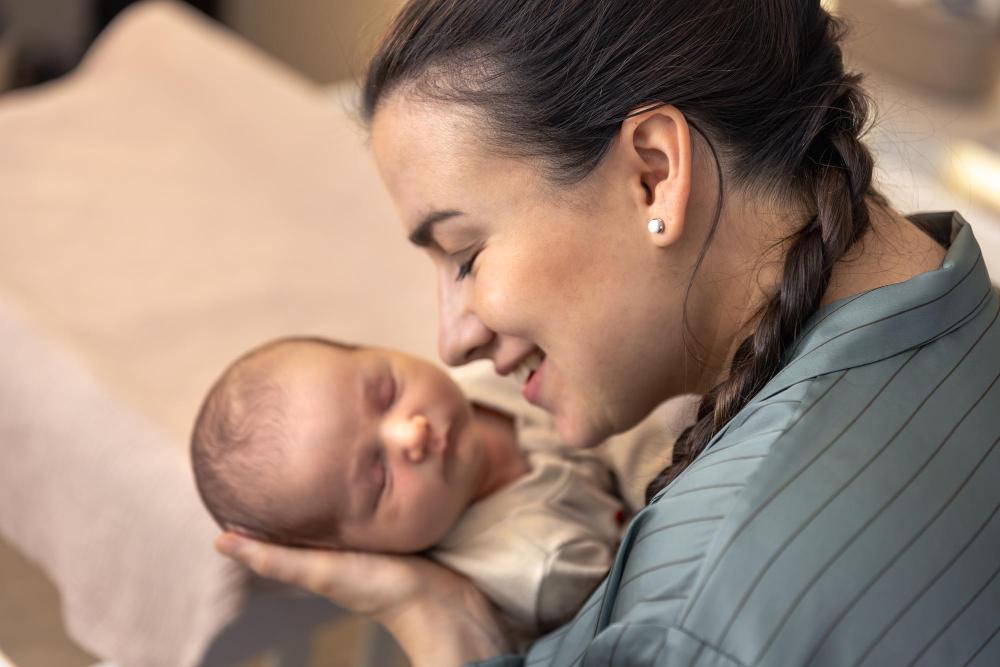
Caring for your newborn is a big part of post delivery care. For instance, feeding, changing diapers, and keeping your baby clean are daily tasks. Bonding with your baby is also important. Skin-to-skin contact helps your baby feel safe. Talking, singing, and gentle touch can strengthen your bond. Remember, every baby is different, so take your time to learn what works best for you both.
Warning Signs That Require Medical Attention
Some symptoms after childbirth need quick medical help. If you notice any of these warning signs, call your doctor right away:
Early action can prevent serious problems. The CDC and WHO recommend seeking help if you notice any of these signs.
Tips for Emotional Well-Being and Support Systems
Emotional health is just as important as physical health. After delivery, you may feel happy, sad, or even overwhelmed. But you are not alone. Many mothers feel this way. To support your well-being:
If you feel sad for more than two weeks, or if sadness gets worse, talk to your doctor. Postpartum depression is common and treatable.
Prevention of Complications
Good post delivery care can help prevent problems. For example, keeping wounds clean lowers infection risk. Eating well and moving gently can prevent blood clots. In addition, regular check-ups help catch issues early. Always follow your doctor’s advice for medicines and care routines.
When to Schedule Follow-Up Visits
Follow-up visits are important for your recovery. Usually, doctors recommend a check-up within six weeks after delivery. However, some mothers may need earlier visits. During these visits, your doctor will check your healing and answer your questions. Do not skip these appointments, even if you feel fine. Early care can prevent future problems.
Conclusion
In summary, post-delivery care is key for a healthy recovery. Take care of your body and mind, watch for warning signs, and ask for help when needed. Consult a healthcare specialist at Sri Radhey Hospital for personalized post-delivery care guidance.