
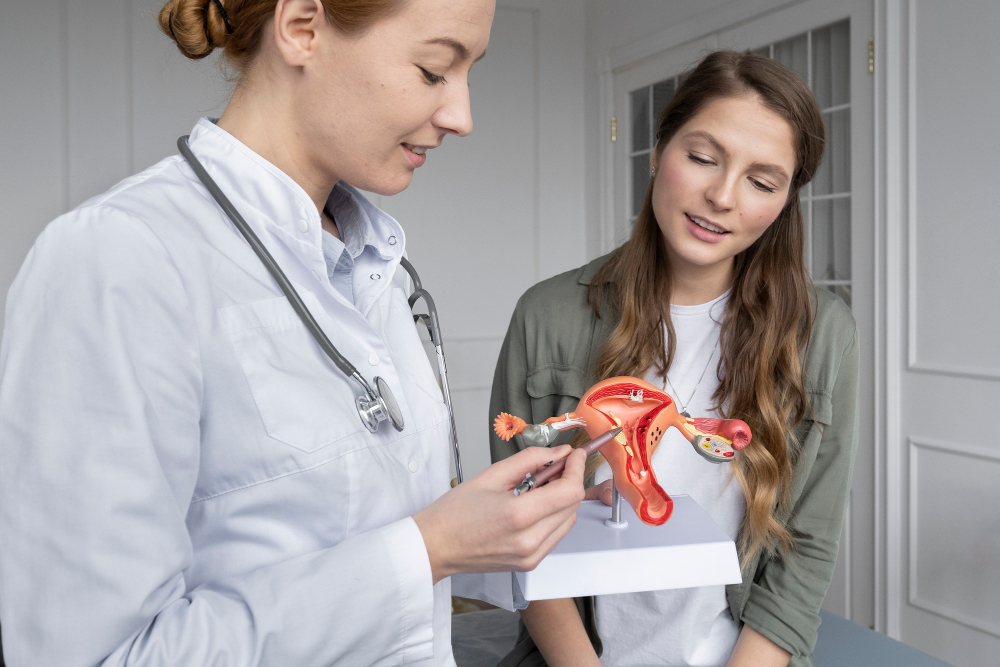
What Are Cervical Polyps?
Cervical polyps are small, soft growths that form on the cervix. The cervix is the lower part of the uterus that connects to the vagina. Most cervical polyps are not cancerous. However, they can cause symptoms that may worry some women. In the United States, cervical polyps are common, especially in women over 20. Although they are usually harmless, it is important to know about them. Early detection can help prevent problems.
Symptoms of Cervical Polyps
Many women with cervical polyps do not notice any symptoms. Still, some may experience signs that should not be ignored. For example, you may notice:
Sometimes, these symptoms can be caused by other conditions. Therefore, it is important to see a doctor if you notice any changes.
Causes and Risk Factors
Doctors do not know the exact cause of cervical polyps. However, several factors may increase your risk. For instance, these include:
Because these risk factors are common, many women may develop cervical polyps at some point.
How Cervical Polyps Are Diagnosed
Doctors often find cervical polyps during a routine pelvic exam. Sometimes, a woman visits the doctor for symptoms like bleeding. In these cases, the doctor may use a speculum to look at the cervix. If a polyp is seen, the doctor may gently remove it for testing. In addition, a Pap smear or other tests may be done to rule out other problems. Most polyps are easy to see and remove in the office.
Treatment Options for Cervical Polyps
Most cervical polyps are simple to treat. Usually, the doctor removes the polyp during a quick office visit. This is called removal of cervical polyps. The procedure is not painful and takes only a few minutes. After removal, the polyp is sent to a lab to check for cancer cells. However, most polyps are benign. If you have an infection, the doctor may prescribe antibiotics. Rarely, if polyps come back often, further tests may be needed.
Prevention and Lifestyle Tips
While you cannot always prevent cervical polyps, you can lower your risk. For example, you can:
Because early detection is key, regular check-ups are important for women of all ages.
When to See a Doctor
It is important to see a doctor if you notice any symptoms of cervical polyps. For instance, if you have bleeding between periods, after sex, or unusual discharge, seek medical advice. Even if you feel fine, regular check-ups can help find problems early. Remember, most cervical polyps are not serious. Still, only a doctor can tell for sure.
If you’re concerned about cervical polyps, consult Dr. Kumar Amit at SR Hospital for tailored advice and treatment options.