
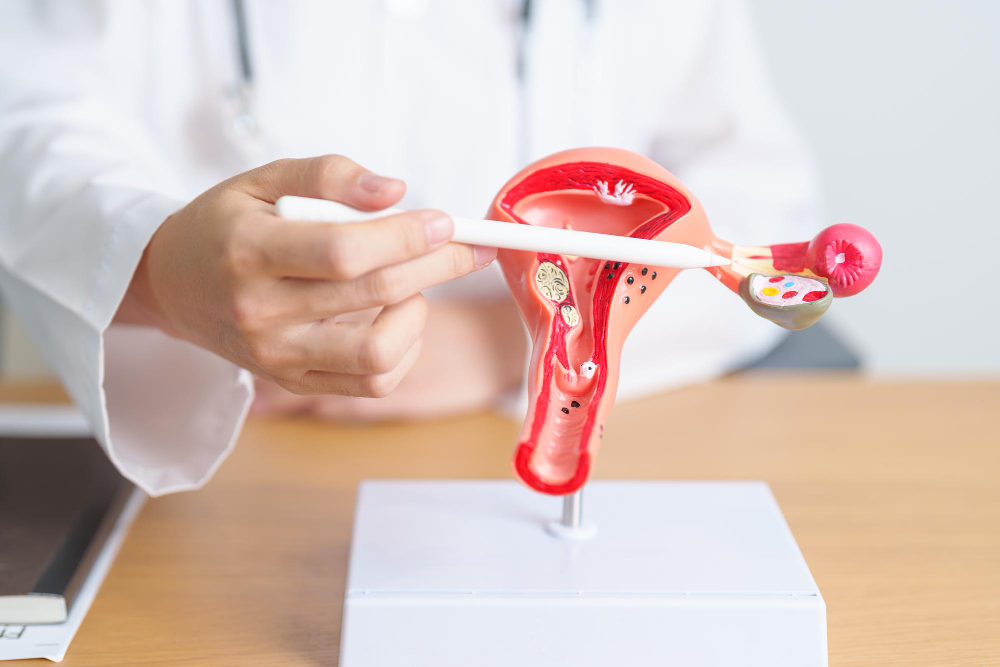
Introduction
Ovarian cysts are common, especially among women of childbearing age. Many people worry about the causes of ovarian cysts and how they might affect health. Because these cysts can sometimes cause discomfort, it is important to know why ovarian cysts form and what you can do about them. This guide will help you understand the main reasons behind ovarian cysts, who is at risk, and how to keep your gynecology health in check.
What Are Ovarian Cysts?
Ovarian cysts are fluid-filled sacs that develop on or inside an ovary. Most cysts are harmless and may go away on their own. However, some can cause pain or other problems. For example, some cysts can grow larger or burst. Although most are not cancerous, it is still important to know about them. Understanding the causes of ovarian cysts can help you take better care of your health.
Main Causes of Ovarian Cysts
There are several reasons why ovarian cysts form. Knowing these causes can help you understand your risk and what steps you can take. Below are the main causes of ovarian cysts:
According to the Centers for Disease Control and Prevention (CDC), most ovarian cysts are related to the menstrual cycle and are not harmful. Still, knowing the causes helps you stay aware of your gynecology health.
Who Is at Risk?
While ovarian cysts can affect anyone with ovaries, some people have a higher risk. Understanding ovarian cyst risk factors can help you stay alert. For example, you may be at higher risk if you:
Even though these factors increase risk, anyone can develop a cyst. Therefore, regular check-ups with a nearby gynecologist are important.
When to See a Doctor
Most ovarian cysts do not cause symptoms and go away on their own. However, you should see a doctor if you notice:
Sometimes, these signs mean the cyst has burst or is causing other problems. In such cases, quick medical care is needed. If you have ongoing pain or changes in your period, it is wise to talk to a healthcare provider.
Prevention Tips
Although you cannot always prevent ovarian cysts, you can lower your risk. Here are some tips for ovarian cyst prevention:
By following these steps, you can support your gynecology health and reduce the risk of cysts forming.
Conclusion
To sum up, ovarian cysts are common and often harmless. However, knowing the causes of ovarian cysts and understanding ovarian cyst risk factors can help you stay healthy. If you notice any unusual symptoms, do not wait. If you have concerns about ovarian cysts, consult a healthcare specialist at Sri Radhey Hospital for personalized advice.