
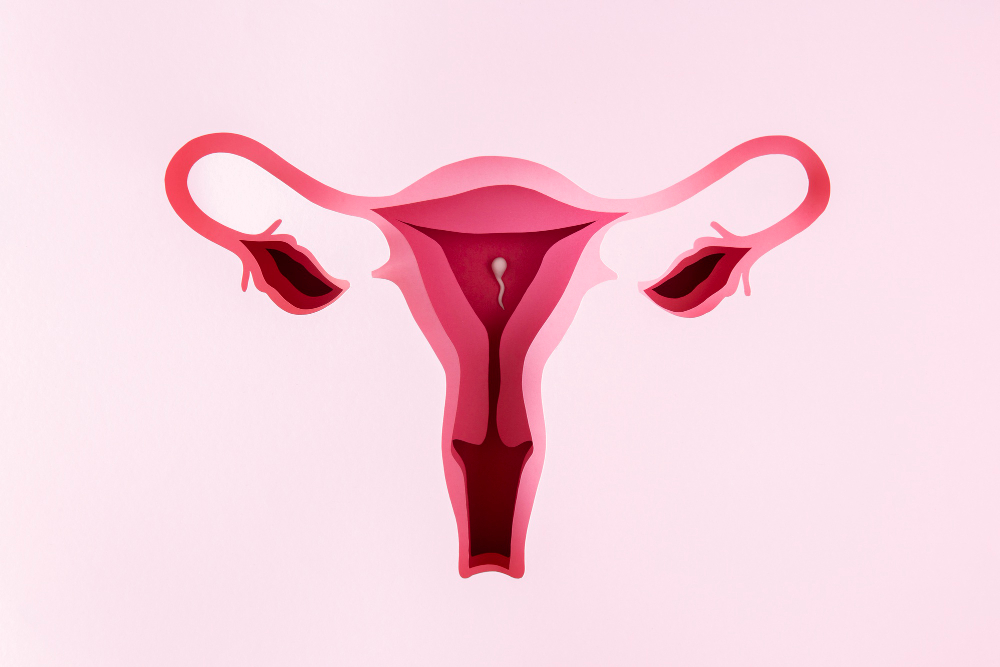
What Is Thin Endometrium?
Thin endometrium means the lining of the uterus is thinner than normal. This lining, called the endometrium, is important for pregnancy. For a fertilized egg to attach and grow, the endometrium must be thick enough. However, when it is too thin, it can cause problems with fertility. Many women with thin endometrium and infertility find it hard to get pregnant. Doctors often check endometrial thickness for fertility during fertility tests. A healthy lining usually measures at least 7-8 millimeters during the middle of the menstrual cycle.
Common Symptoms and Signs
Often, thin endometrium does not cause clear symptoms. Still, some women may notice changes. For example, you might have:
Sometimes, there are no signs until you try to conceive. Therefore, many women learn about thin uterine lining and pregnancy issues only after fertility testing.
Causes and Risk Factors
Several factors can lead to thin endometrium and infertility. Some common causes include:
In addition, lifestyle factors like smoking or poor nutrition may also affect endometrial health. According to the World Health Organization (WHO), hormonal balance and good health are key for a healthy uterus.
How Thin Endometrium Is Diagnosed
Doctors use several methods to diagnose thin endometrium. Usually, they start with a pelvic ultrasound. This test measures the thickness of the uterine lining. Sometimes, a doctor may also recommend:
Early diagnosis helps improve endometrial health and fertility outcomes. If you are trying to conceive, talk to your doctor about these tests.
Treatment Options for Thin Endometrium
There are several ways to treat thin endometrium and infertility. Treatment depends on the cause and your health. Some common options include:
Medical Treatments
Lifestyle Changes
Procedural Options
According to the CDC, early treatment can improve your chances of pregnancy. Always discuss the best plan with your fertility specialist.
Prevention Tips and Lifestyle Guidance
While not all cases can be prevented, you can take steps to support endometrial health. For example:
In addition, avoid unnecessary use of hormonal medications unless prescribed. These steps may help in improving endometrial health and fertility.
Frequently Asked Questions (FAQs)
What is the ideal endometrial thickness for fertility?
Most experts suggest a lining of at least 7-8 millimeters is best for pregnancy.
Can thin endometrium cause infertility?
Yes, a thin lining can make it hard for an embryo to implant, leading to infertility.
Is it possible to improve a thin uterine lining?
Yes, with medical treatment and healthy lifestyle changes, many women see improvement.
Does age affect endometrial thickness?
Yes, as women age, hormonal changes can cause the lining to become thinner.
Should I see a doctor if I have thin endometrium?
Yes, consult a fertility specialist for advice and treatment options tailored to you.
Conclusion
Thin endometrium and infertility can feel challenging, but timely care may improve your chances of pregnancy. Consult Dr. Kumar Amit at SR Hospital for a detailed fertility evaluation and personalized treatment guidance. Take the first step toward better reproductive health with expert support.