
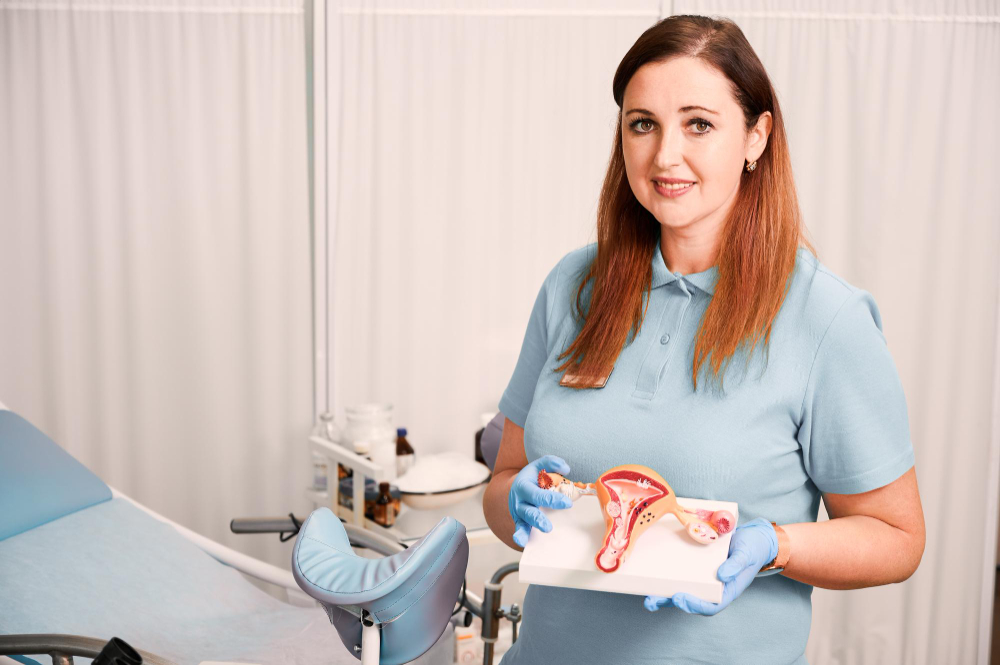
What Is Hysteroscopy Aftercare?
Hysteroscopy aftercare is the care you need after a hysteroscopy procedure. This care helps your body heal and lowers the risk of problems. During a hysteroscopy, a doctor looks inside your uterus with a thin tube. After the procedure, you may have questions about what to expect. Good aftercare can make your recovery smoother and safer. According to the CDC, following your doctor’s advice is important for a healthy recovery.
Common Symptoms and Normal Recovery Experiences
After a hysteroscopy, you may notice some mild symptoms. Most of these are normal and should go away in a few days. For example, you might have:
Usually, these symptoms improve within a week. However, everyone heals at a different pace. If you feel unsure, you can always call your doctor for advice.
Warning Signs and When to Seek Medical Help
Most people recover well after a hysteroscopy. Still, you should watch for warning signs. If you notice any of these, contact your doctor right away:
These signs could mean an infection or other problem. Early treatment can help prevent serious issues.
Self-Care Tips and Lifestyle Guidance for Recovery
Taking care of yourself after a hysteroscopy is important. Here are some helpful hysteroscopy recovery tips:
In addition, listen to your body. If you feel tired, take a break. Good self-care can speed up your recovery and help you feel better sooner.
Prevention of Complications
Although complications are rare, it is wise to take steps to prevent them. Here are some ways to lower your risk:
By following these tips, you can help ensure a safe and smooth recovery. The World Health Organization recommends regular follow-up visits if you have any concerns.
Frequently Asked Questions About Hysteroscopy Aftercare
Conclusion
Hysteroscopy aftercare is key to a safe and smooth recovery. By following these post-hysteroscopy care tips, you can help your body heal. If you notice any warning signs, seek help right away. For the best advice, consult Sri Radhey Hospital for personalized aftercare guidance following hysteroscopy.