What is PCOS?
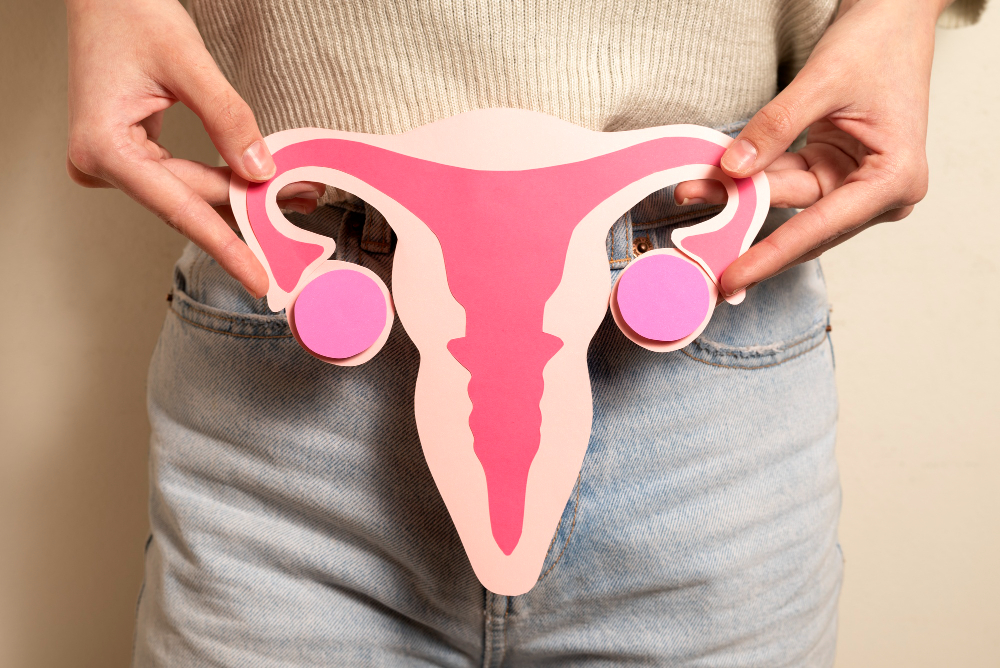
Polycystic Ovary Syndrome, or PCOS, is a common health problem. It affects how a girl’s ovaries work. Many teenagers may not know they have PCOS. However, spotting PCOS early can help prevent future health issues. PCOS often starts during the teenage years. It can cause changes in periods, skin, and hair. The exact cause is not always clear. But, it is linked to hormone changes in the body.
Why Early Detection of PCOS Matters for Teenagers
Early detection of PCOS in teenagers is very important. When PCOS is found early, treatment can start sooner. This helps manage symptoms and lowers the risk of long-term problems. For example, PCOS can lead to diabetes, heart disease, or trouble having children later in life. If teens learn about PCOS signs, they can get help quickly. As a result, they can feel better and stay healthy.
Key Signs and Symptoms of PCOS in Teens
Many signs of PCOS can be easy to miss. But, knowing what to look for makes a big difference. Here are the most common symptoms in teenagers:
Sometimes, these signs may seem normal during puberty. However, if they last or get worse, it is wise to talk to a doctor.
How PCOS is Diagnosed in Teenagers
Doctors use several steps to diagnose PCOS in teens. First, they ask about symptoms and periods. Next, they may do a physical exam. After that, they might order tests. These can include:
According to the CDC and WHO, a diagnosis is made if a teen has at least two of these:
Not every teen with PCOS will have all these signs. Therefore, it is important to see a healthcare provider for the right diagnosis.
Lifestyle Tips for Teens with PCOS
Managing PCOS often starts with healthy habits. Even small changes can help control symptoms. Here are some tips for teenagers:
With support from family and friends, these steps can make a big difference. In addition, some teens may need medicine to help with symptoms. A doctor can explain the best options.
Prevention and When to Seek Medical Advice
There is no sure way to prevent PCOS. However, healthy habits can lower the risk of problems linked to PCOS. If a teenager notices any signs listed above, it is important to speak with a healthcare provider. Early help can prevent future health issues. For example, getting advice soon can help keep periods regular and skin clear. Most importantly, do not ignore ongoing symptoms. Instead, reach out for support and answers.
If you or someone you know has signs of PCOS, consult a healthcare specialist at Sri Radhey Hospital. Early care can make a big difference for your health and well-being.