
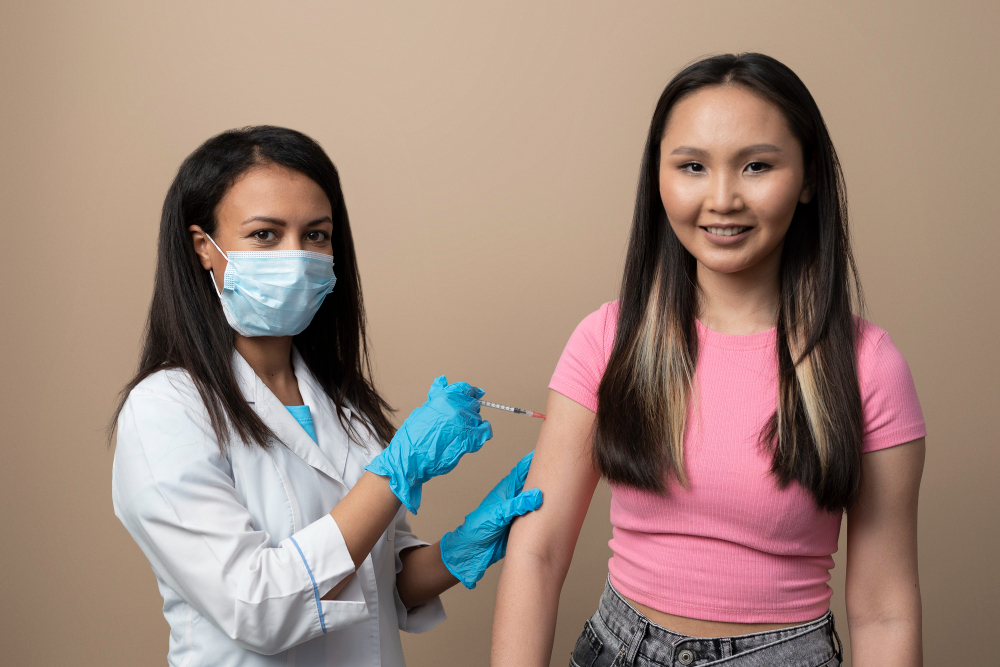
Introduction
The HPV vaccine is a safe and effective way to protect yourself from the human papillomavirus (HPV). HPV is a common virus that can cause several types of cancer, including cervical cancer. Because the vaccine helps prevent HPV-related cancers, it is important for both boys and girls. Many people ask about the benefits of HPV vaccination, how it works, and its safety. In this blog, you will learn why the HPV vaccine matters and how it can keep you and your loved ones healthy.
What is HPV?
HPV stands for human papillomavirus. It is a group of more than 100 related viruses. Some types of HPV can cause warts, while others can lead to cancer. For example, certain HPV types can cause cervical, throat, or anal cancer. Most people get HPV at some point in their lives, often without knowing it. Usually, the body fights off the virus, but sometimes it can cause health problems later.
How Does the HPV Vaccine Work?
The HPV vaccine helps your body build protection against the most harmful types of HPV. After you get the vaccine, your immune system learns to fight the virus. So, if you are exposed to HPV in the future, your body can stop it before it causes harm. The vaccine does not treat existing HPV infections, but it can prevent new ones. Because of this, it works best when given before someone is exposed to HPV.
Why is the HPV Vaccine Important?
Getting the HPV vaccine is important for several reasons. First, it helps prevent cancers caused by HPV. Second, it lowers the risk of genital warts. Third, it protects not just you, but also others by reducing the spread of the virus. According to the CDC and WHO, HPV vaccination can prevent most cases of cervical cancer. In addition, it can help stop other cancers linked to HPV. Because of these benefits, health experts recommend the vaccine for children and young adults.
Who Should Get the HPV Vaccine?
Health experts recommend the HPV vaccine for boys and girls starting at age 11 or 12. However, it can be given as early as age 9. If you did not get the vaccine as a child, you can still get it up to age 26. In some cases, adults aged 27 to 45 may also benefit, but they should talk to their doctor first. The vaccine works best before any exposure to HPV, so early vaccination is key.
Safety and Side Effects of the HPV Vaccine
Many people wonder about HPV vaccine safety. The vaccine has been studied for many years and is very safe. Most side effects are mild and go away quickly. For example, you might have a sore arm, mild fever, or headache. Serious side effects are very rare. Because the benefits are much greater than the risks, health organizations like the CDC and WHO recommend the vaccine for everyone in the target age group.
Myths and Facts About the HPV Vaccine
There are many myths about the HPV vaccine. However, it is important to know the facts. For example, some people think the vaccine is only for girls, but it protects boys too. Others worry it is not safe, but studies show it is very safe. Some believe it encourages risky behavior, but research does not support this. Because of these facts, you can feel confident about getting the vaccine.
How to Get the HPV Vaccine
Getting the HPV vaccine is easy. First, talk to your healthcare provider. They can tell you if you or your child should get the vaccine. The vaccine is given as a series of shots, usually two or three, depending on your age. In many places, you can get the vaccine at your doctor’s office, local clinic, or health department. Some schools and pharmacies also offer it. If you have questions about cost or insurance, your provider can help.
Prevention and Lifestyle Guidance
While the HPV vaccine is a strong way to prevent HPV, there are other steps you can take. For example, regular health check-ups and screenings can help catch problems early. Practicing safe habits, such as using protection during sex, also lowers your risk. However, the vaccine is the best way to prevent most HPV-related cancers. Because of this, it is wise to get vaccinated and encourage others to do the same.
Conclusion
In summary, the HPV vaccine is a safe and effective way to protect yourself from HPV and related cancers. It is important for both boys and girls, and it works best when given early. If you have questions or concerns, talk to your healthcare provider at Sri Radhey Hospital. Consult your healthcare provider to learn more about the HPV vaccine and how it can protect you and your loved ones.