
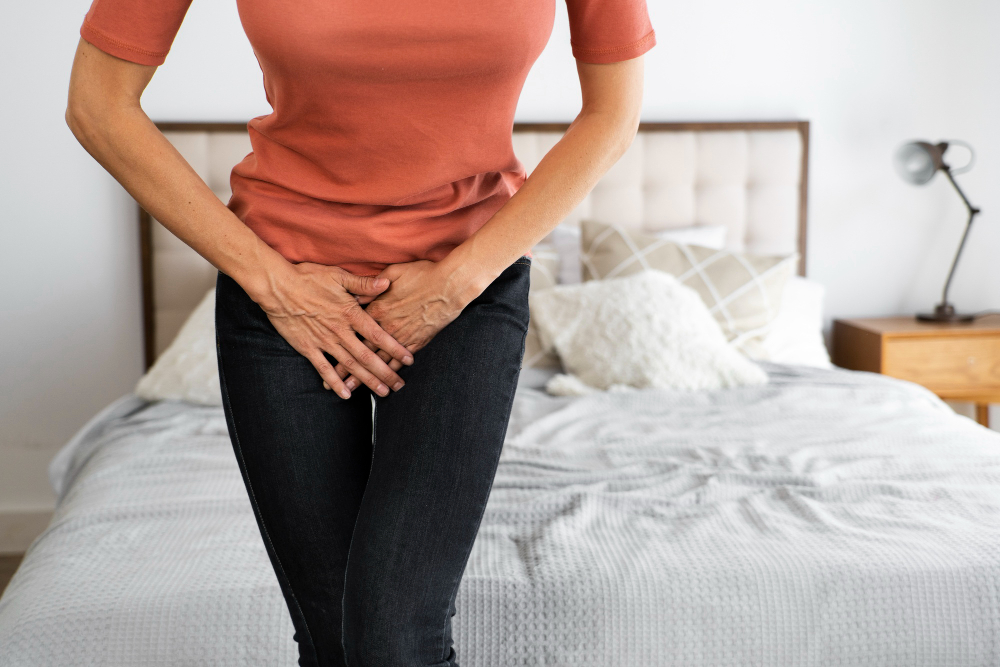
What is Vulvodynia?
Vulvodynia is a chronic pain condition that affects the vulva, which is the outer part of the female genitals. Many women experience burning, stinging, or irritation in this area. However, the pain often has no clear cause. Vulvodynia can last for months or even years. Because of this, it can affect daily life, relationships, and emotional well-being. According to the Centers for Disease Control and Prevention (CDC), Vulvodynia is not rare. In fact, it can affect women of all ages and backgrounds.
Symptoms of Vulvodynia
Vulvodynia symptoms can vary from person to person. Still, the most common sign is pain in the vulva that lasts for at least three months. The pain may come and go or be constant. For example, some women feel pain only when touched, while others feel it all the time. Common symptoms include:
Although these symptoms can be distressing, they are not life-threatening. Yet, they can impact quality of life. If you notice these signs, it is important to seek help.
Causes and Risk Factors
Doctors do not always know what causes Vulvodynia. However, several factors may play a role. For instance, nerve injury or irritation can lead to pain. In addition, past infections or allergies may trigger symptoms. Some women have sensitive skin or a family history of pain disorders. Other possible risk factors include:
Even though these factors can increase risk, Vulvodynia can occur without any clear reason. Therefore, it is important not to blame yourself.
How Vulvodynia is Diagnosed
Doctors diagnose Vulvodynia by ruling out other causes of vulvar pain. First, your doctor will ask about your symptoms and medical history. Next, a gentle physical exam will be done. Sometimes, a cotton swab test is used to find painful areas. In some cases, your doctor may order tests to check for infections or skin problems. However, there is no single test for Vulvodynia. Instead, diagnosis is based on your symptoms and by excluding other conditions. According to the American College of Obstetricians and Gynecologists (ACOG), early diagnosis can help you get relief sooner.
Treatment Options for Vulvodynia
Treatment for Vulvodynia aims to reduce pain and improve comfort. Because each person is different, treatment plans may vary. Your doctor may suggest one or more of the following:
In rare cases, surgery may be considered. However, most women find relief with non-surgical treatments. It is important to follow your doctor’s advice and keep track of what helps.
Lifestyle Tips and Self-Care
Along with medical treatment, self-care can make a big difference. For example, simple changes in daily habits may help reduce discomfort. Try these tips:
Although these steps may not cure Vulvodynia, they can help you feel more comfortable. In addition, talking to others with similar experiences can provide support.
Prevention and When to Seek Help
There is no sure way to prevent Vulvodynia. Still, gentle care of the vulva and avoiding irritants may lower your risk. If you have ongoing vulvar pain, do not ignore it. Early treatment can prevent symptoms from getting worse. You should see a healthcare provider if:
Remember, Vulvodynia is a real medical condition. You deserve support and care. For more information, visit trusted sources like the CDC or the American College of Obstetricians and Gynecologists.
Consult a healthcare specialist at at Sri Radhey Hospital for personalized advice on Vulvodynia.