What is Polyendocrine Metabolic Ovarian Syndrome (PMOS)?
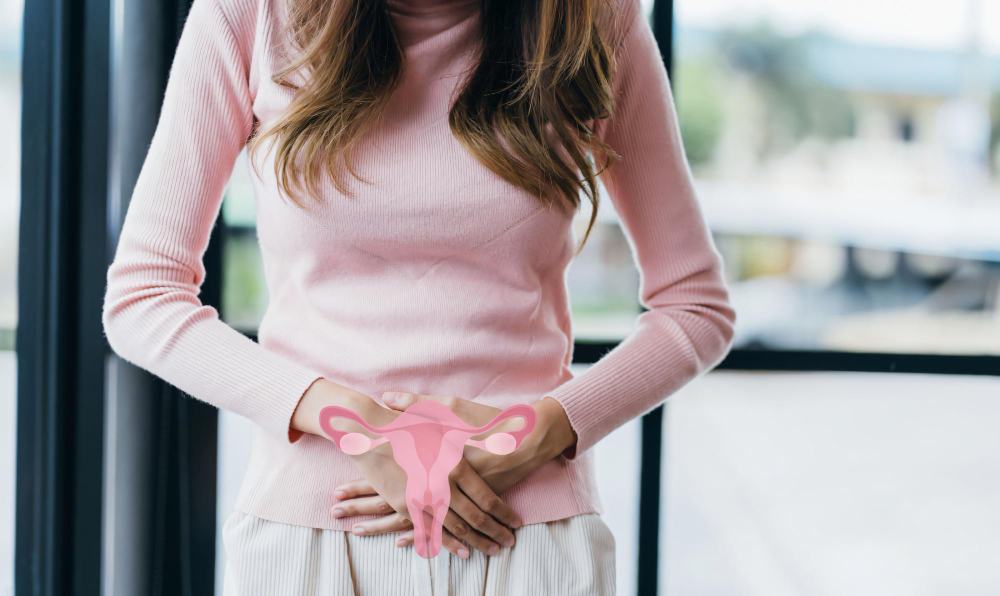
Polyendocrine Metabolic Ovarian Syndrome (PMOS) is a health condition that affects women. It involves problems with several hormone systems and the ovaries. Because of this, PMOS can impact periods, fertility, and metabolism. In many cases, women with PMOS may also have issues like high blood sugar or weight gain. Although PMOS is not very common, it is important to know who can get it and what signs to watch for.
Who is at Risk of Developing PMOS?
Anyone with ovaries can develop PMOS. However, some people have a higher risk than others. For example, young women and those with a family history of hormone problems may be more likely to get PMOS. Additionally, certain lifestyle factors can increase risk. Understanding these risks can help you take steps to protect your health.
Common Risk Factors for PMOS
Several factors can raise your chances of developing PMOS. Here are the most common PMOS risk factors:
Because these factors can add up, it is important to know your own risk. For example, if you have more than one risk factor, you should watch for early signs.
Symptoms and Early Warning Signs of PMOS
PMOS can cause many different symptoms. However, not everyone will have the same signs. Some common PMOS symptoms include:
Sometimes, these symptoms can be mild at first. But over time, they may get worse. Therefore, it is important to notice any changes early.
How is PMOS Diagnosed?
Doctors use several steps to diagnose PMOS. First, they will ask about your symptoms and medical history. Next, they may do a physical exam. Blood tests can check hormone and blood sugar levels. In some cases, an ultrasound may be used to look at the ovaries. Because PMOS shares symptoms with other conditions, your doctor may rule out other causes first. Early diagnosis can help you manage PMOS better.
Prevention Tips and Lifestyle Guidance
While you cannot change your genes, you can lower your risk of PMOS with healthy habits. Here are some tips to help prevent PMOS or manage its effects:
Because lifestyle changes can make a big difference, start with small steps. Over time, these habits can help protect your health.
When to Seek Medical Advice
If you notice symptoms like irregular periods, weight gain, or extra hair growth, talk to your doctor. Early care can help prevent problems later. Also, if you have a family history of PMOS or related conditions, ask your doctor about your risk. Remember, only a healthcare professional can diagnose PMOS and suggest the right treatment.
Conclusion
In summary, Polyendocrine Metabolic Ovarian Syndrome (PMOS) can affect many women, especially those with certain risk factors. However, knowing the signs and making healthy choices can help. Consult a specialist at Sri Radhey Hospital for personalized guidance on PMOS.